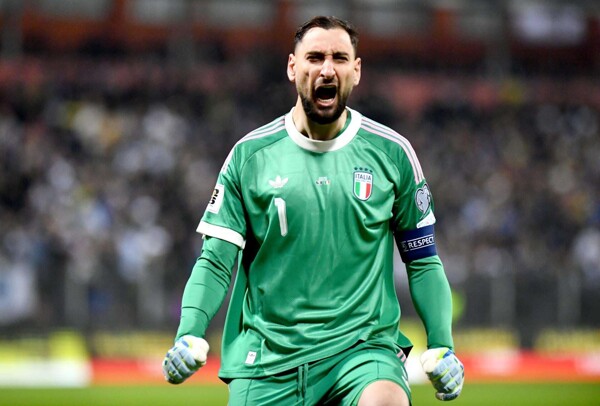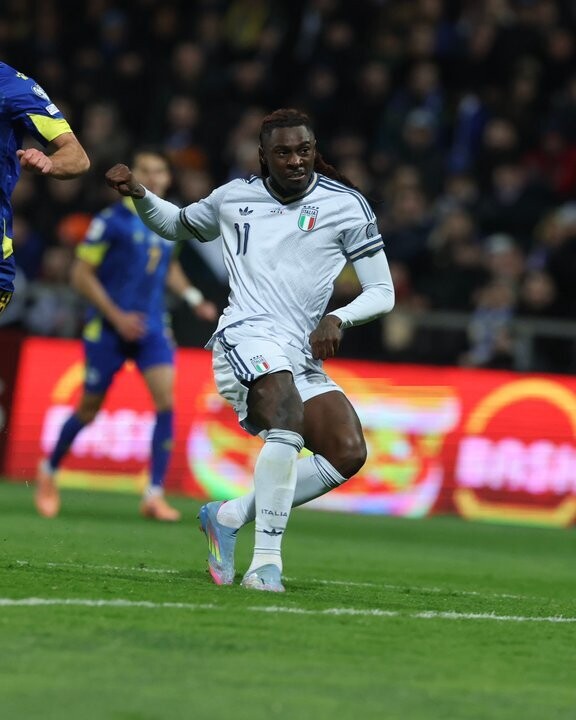
The Italian national team, a four-time world champion, failed to qualify for the World Cup, losing to Bosnia and Herzegovina, ranked 66th in the world, in the final of the European playoff. This defeat marked the 'Azzurri's' third consecutive failure to advance from the playoff stages, following exits against Sweden in 2018 and North Macedonia in 2022. The Associated Press highlighted five reasons for the team's ongoing struggles. Firstly, compared to the 2006 World Cup-winning team featuring stars like Alessandro Del Piero, Francesco Totti, and Andrea Pirlo, Italy has not produced players of a similar caliber for years. The exceptions are midfielder Sandro Tonali, who joined Newcastle for €80 million, and goalkeeper Gianluigi Donnaruma of Manchester City. The main strikers are the Argentina-born Matteo Retegui and Moise Kean of Fiorentina. Secondly, Serie A, once considered the world's best league with stars like Diego Maradona, Marco van Basten, and Ruud Gullit, has now become a preferred destination for veterans nearing retirement, such as Luka Modrić (Milan, 40) and Jamie Vardy (Cremonese, 39). The absence of global stars has diminished the quality of Serie A, negatively impacting the national team. Juventus, the traditional backbone of the squad, has not won the Serie A title since 2020, and no Milan players were called up for the playoff squad. Thirdly, thanks to Jannik Sinner's success, tennis is now competing with football for the title of Italy's most popular sport. A 2023 statistic shows 21.6 million Italians support football versus 19.9 million for tennis and paddle tennis. Fourthly, Italy has seen notable success in motorsport (Formula 1), where 19-year-old Kimi Antonelli won the last two races of the current season, and in winter sports by hosting the Milan-Cortina Olympics. Finally, the Italian national team does not enjoy significant public support or a dedicated fan base at its matches. Unlike every Italian club, which has organized supporters ('ultras'), the 'Azzurri' lack this advantage. Consequently, coach Gennaro Gattuso chose to play the playoff semi-final in Bergamo's 23,500-seat stadium rather than the much larger San Siro, fearing that Milan and Inter fans would jeer players from rival teams, as happened after Italy's loss to Norway in Milan last November.