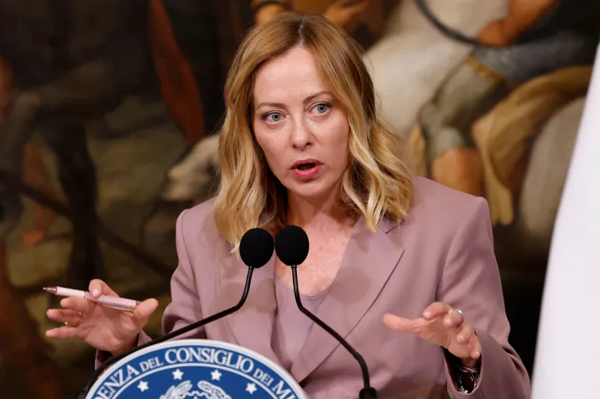
In Italy, the opposition is attempting to unite following the unexpected defeat of Prime Minister Giorgia Meloni in a referendum. Despite temporary unity in opposing judicial reforms, deep divisions persist between radical left-wing factions and the more moderate Democratic Party over issues like military spending, support for Ukraine, and economic policies. Democratic Party leader Elly Schlein urged the opposition to offer practical solutions rather than just opposing the government, proposing measures such as a minimum wage increase, reduced working hours, and enhanced shared parental leave. However, to form a unified front, the opposition must overcome its disagreements and select a single leader. Currently, Schlein, who faces criticism for her elite background, and former Prime Minister Giuseppe Conte, who is popular in the south and has governing experience, are seen as the main contenders. Analysts warn against interpreting the referendum result as a radical shift in the political climate, noting that a significant portion of 'no' voters were politically disengaged. The timing of the next elections remains uncertain; Meloni may call an early vote to capitalize on the opposition's divisions, or she might stay in power longer to strengthen her political position. The opposition, for its part, has declared itself ready for elections at any time. Polls indicate a stable lead for Meloni's center-right coalition (around 29%) over the opposition, highlighting the need for genuine coordination to secure a victory.