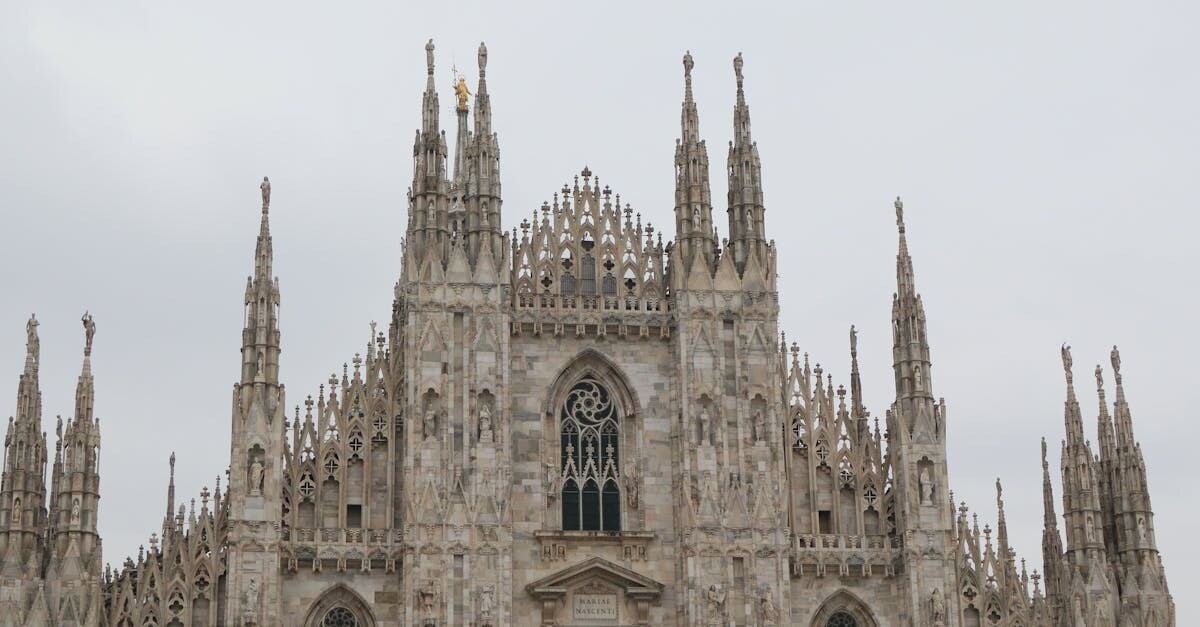
Milan is a hub for finance, commerce, creative services, and traditional industrial sectors. This concentration generates economies of scale and learning dynamics: the proximity of ideas, specialized talent, and capital drives innovation and enhances quality.
Design Environment: Notoriety, Fashion, and Perception of Value
Milanese design acts as a signal of quality and style. Local events and platforms generate the visibility needed to create desire and justify high prices. Institutional instruments—exhibitions, museums, and major events like the furniture fair—disseminate trends and transform various products into authentic benchmarks. Fashion Week and specialized fairs bring together international buyers, media, and industry professionals, significantly expanding their commercial reach. The presence of creative talent and specialized training centers drives aesthetic and technical renewal, leading to unique proposals.
Specialized Manufacturing: Excellence, Adaptability, and Full Traceability
The presence of workshops, small and medium-sized factories, and specialized suppliers allows brands to control quality and offer customizations that increase the price. A close value chain: having subcontractors nearby shortens lead times and facilitates agile prototyping, which is key for exclusive series and custom designs. Industrial craftsmanship: combining traditional methods with mechanized processes reinforces product durability and increases its perceived value. Traceability and certification: having certification on materials and procedures (provenance of inputs and quality checks) adds a layer of security that supports a premium price.
The Brand as a Value-Driving Factor
The brand turns technical specifications into an emotional experience; in Milan, it doesn't just offer a product, but conveys heritage, prestige, and aspirational desire. Heritage and narrative: telling a solid story, demonstrating a consistent aesthetic, and showing commitment to production often increases willingness to pay. Shopping experience: iconic spaces, curated exhibitions, personalized service, and exclusive events reinforce the sense of rarity and prestige. Channel control: direct management of boutiques, curation of distributors, and inventory restriction keep prices safe from excessive markdowns.
Applied Synergies: How Design, Manufacturing, and Brand Interconnect
The intersection of the three areas creates advantages that can only be achieved with a complete ecosystem. Applied technical differentiation in design: an exclusive finish or a special material developed by local suppliers is integrated into a brand story that justifies a higher price. Limited editions and customization: the proximity of manufacturing capabilities allows for short runs and customizations that increase unit value. Validation by events: a piece presented at a major fair gains visibility and professional accreditation, facilitating its sale at premium prices in international markets.
Notable Examples and Situations
Milanese fashion companies: established brands create collections that balance innovation and heritage, allowing them to achieve higher margins than competitors without that cultural backing. Furniture and interior design sector: pieces exhibited at the major Milan fair often increase in value and global presence; manufacturers from Brianza and the metropolitan area use this visibility to set higher prices. Subcontracting networks: the proximity of specialized suppliers of fabrics and finishes makes it possible to develop exclusive proposals that would be impractical in dispersed international chains.
Key Information and Quantifiable Consequences
Although numbers vary by edition and industry, quantifiable trends can be observed. Impact of fairs and industry weeks: they attract hundreds of thousands of international visitors and generate intense economic activity, both direct and indirect, boosting the export of high-value-added products. Exports: Milanese and Lombard companies account for a significant portion of Italian sales abroad in fashion, furniture, and luxury goods, confirming the global projection of their ability to sustain high prices. Productivity and wages: the combination of specialization and high standards increases labor productivity, allowing for higher unit costs without sacrificing competitiveness, and thus favoring higher final prices.
Strategies to Turn the Ecosystem into a Premium Price
Companies that use Milan as a platform follow replicable practices: investing in proprietary design and intellectual property; design patents and formal registrations hinder copying and help maintain a market advantage. Controlling supply: technical and distribution restrictions maintain the perception of limited availability. Communicating provenance: revealing origin, methods, and certifications reinforces product valuation and increases willingness to pay. Strategic collaborations: alliances between designers, artisans, and brands result in high-value collections with significant media impact. Sustainability as a value: betting on responsible processes and greater transparency adds a premium price among those who prioritize conscious consumption.
Threats to Pricing Power and How to Mitigate Them
Imitations and counterfeits: strengthening the legal framework and using digital traceability to safeguard brand value. Low-cost competition: differentiation based on quality, design, and customer service, beyond price. Supply chain disruptions: expanding suppliers and digital process modernization to reduce dependency. Milan demonstrates that the ability to command prices arises when the aesthetic, technical, and reputational intertwine. Together, these factors make it possible to establish prices that represent both tangible and symbolic value, as long as authenticity, excellence, and the ability to respond to market variations are protected.
Economic and Cultural Context
Milan acts as the main economic engine of the Lombardy region, contributing a very significant share of Italian GDP. Design awakens desire, manufacturing provides solidity and uniqueness, and the brand transforms these qualities into a promise that the customer perceives.